How to Decide What Shoes to Pack for a Trip
July 22, 2026 · 4 min read
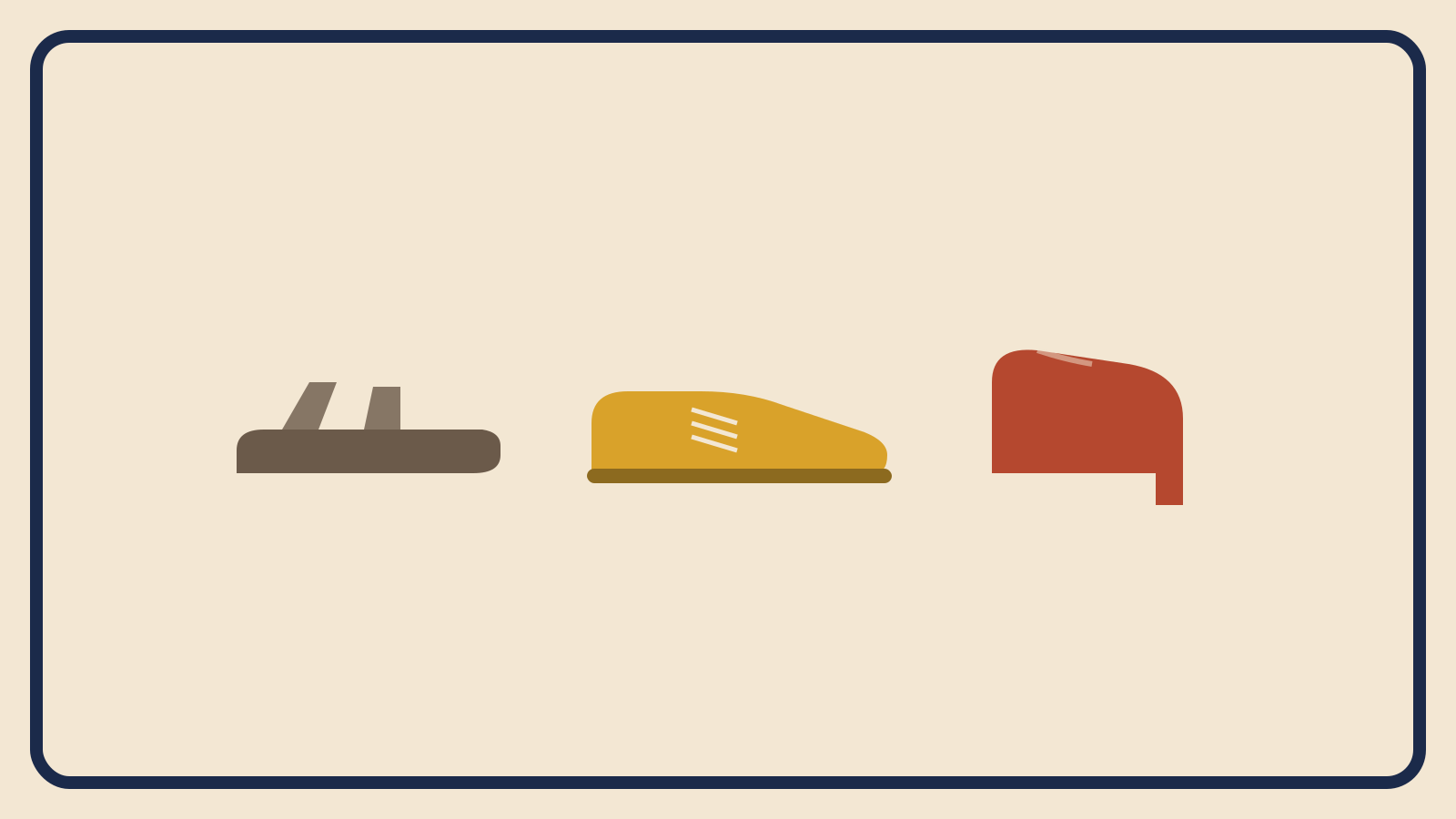
Three pairs of shoes, chosen before the rest of the outfits, covers nearly any trip, any climate, any length: a sturdy sandal or walking shoe, a sneaker, and one dressier option for evenings.
Quick Answer
- Pick your shoes first, then build outfits around them, not the other way around
- Bring shoes you already own and already know are comfortable, not new ones
- Cap it at three pairs: a sturdy sandal or walking shoe, a sneaker, and a dressier option
- Choose a flat or flatform sole with good foot coverage over anything that wobbles
- Stick to black, white, tan, or gray so every pair matches nearly everything packed
Why Three Pairs Covers Nearly Any Trip
Shoes are the single biggest space-and-weight offender in most suitcases, and the fix isn't a smarter way to pack five pairs, it's realizing you don't need five pairs. Three does the job for nearly any trip, any climate, any length.
Building your outfits around your shoes rather than the reverse does more work than any other packing habit. Pick your shoes first, then choose clothing that works with them, and the whole "what if I need a different shoe for this outfit" spiral disappears before it starts. It also naturally caps how many pairs make sense, if every outfit has to work with one of three shoe options, you stop reaching for a fourth or fifth pair "just to be safe."
Bringing shoes you already own and already know are comfortable matters more than it sounds. You already know which pairs you can walk miles in and which ones bite by hour three. A big trip is not the moment to break in something new, if you do buy new shoes for a trip, wear them around the house first so day one of the itinerary isn't also day one of finding out they hurt.
Common Mistakes
People assume each season or activity needs its own dedicated shoe. In practice, three pairs, no more, cover it: for summer, a sturdy sandal, a sneaker, and a block heel or heeled bootie for evenings, for fall and winter, swap the sandal for a sturdy walking shoe or lace-up boot, keeping the sneaker and the dressier option. A pair of cheap flip-flops is worth adding only if the trip includes an actual beach.
People assume an open sandal handles most travel days fine. In practice, good foot coverage matters, since a mostly-covered shoe handles wet weather, sun exposure, and crowded streets, where an exposed toe is one careless step away from a bad day, better than an open sandal does.
People assume pumps or high wedges are worth packing for a nicer evening. In practice, a block heel gives the same lift and polish without getting stuck in a cobblestone gap or leaving you unstable on uneven ground, unless there's an actual red-carpet event on the itinerary.
People assume a bold, statement shoe earns its spot because it's a favorite at home. In practice, it typically can't flex across the other looks on the trip the way a neutral pair can, and shoe space is exactly where versatility matters most, since it's the category that eats the most suitcase room per item.
What Makes a Shoe Travel-Worthy
The build-outfits-around-shoes approach, the bring-what-you-own guidance, the three-pairs-per-season breakdown, and the shoe-selection criteria, sturdy sole, foot coverage, comfort, skipping pumps, and neutral colors, are all drawn from The Wardrobe Consultant's travel shoe guide.
Black and white shoes are easiest to match, working with denim, neutrals, and florals alike, which is exactly why they show up in most seasoned travelers' three-pair rotation. Tan and gray round out a genuinely versatile shoe wardrobe, the goal is a small set of colors that mix with nearly everything else you've packed, not three pairs that only each work with one specific outfit.
If the instinct to bring a fourth pair "just in case" feels hard to resist, it's worth reading our piece on overpacking psychology, shoes are one of the clearest places that anxiety-driven packing shows up, precisely because they're heavy enough to notice and easy to justify one at a time.
Whatever the climate or itinerary, JetKit builds the packing list around your closet and your trip so the shoe choices above are already sorted before you start folding.
Frequently Asked Questions
How many pairs of shoes should I pack for a trip?
Three pairs covers nearly any trip, any climate, any length. For summer that's a sturdy sandal, a sneaker, and a block heel or heeled bootie for evenings. For fall and winter, swap the sandal for a sturdy walking shoe or lace-up boot, keeping the sneaker and the dressier option.
Should I pick my shoes or my outfits first when packing?
Pick your shoes first, then choose clothing that works with them. This reframe naturally caps how many pairs make sense, since if every outfit has to work with one of three shoe options, you stop reaching for a fourth or fifth pair 'just to be safe.'
Should I break in new shoes on a trip?
No, bring shoes you already own and already know are comfortable. A big trip is not the moment to break in something new, and if you do buy new shoes for a trip, wear them around the house first so day one of the itinerary isn't also day one of finding out they hurt.
What makes a shoe actually travel-worthy?
Sturdy and supportive with a flat or flatform sole rather than anything that wobbles on cobblestones or uneven pavement, good foot coverage for wet weather and crowded streets, and comfort that holds up for a full day of walking, not just a quick errand.
What shoe colors are easiest to pack and match?
Black and white are easiest to match, working with denim, neutrals, and florals alike, which is why they show up in most seasoned travelers' three-pair rotation. Tan and gray round out a genuinely versatile shoe wardrobe.
JetKit is an AI app that builds your packing list automatically based on your closet and your trip.